DFT Promotes Thai Rice in Japan with “Think Rice Think Thailand” Campaign to Reinforce Global Quality
22 เมษายน 2569
Business Leader / กองบรรณาธิการ THE LEADERS
สรุปประเด็น
-
Japan is a key market for Thai rice
Thailand exports 260,000–340,000 tons annually, accounting for about 43% of Japan’s total rice imports -
Core export varieties drive demand
Main products include white rice, glutinous rice, and Thai Hom Mali rice -
Campaign reinforces market position
The “Think Rice Think Thailand” initiative aims to sustain market share and strengthen brand recognition in Japan
The Department of Foreign Trade (DFT) actively promotes the image of Thai rice in the Japanese market by organizing a promotional activity under “Think Rice Think Thailand: We serve the best quality rice to the world” concept in Tokyo, Japan. The activity aims to enhance awareness and reinforce the quality of Thai rice among Japanese consumers.
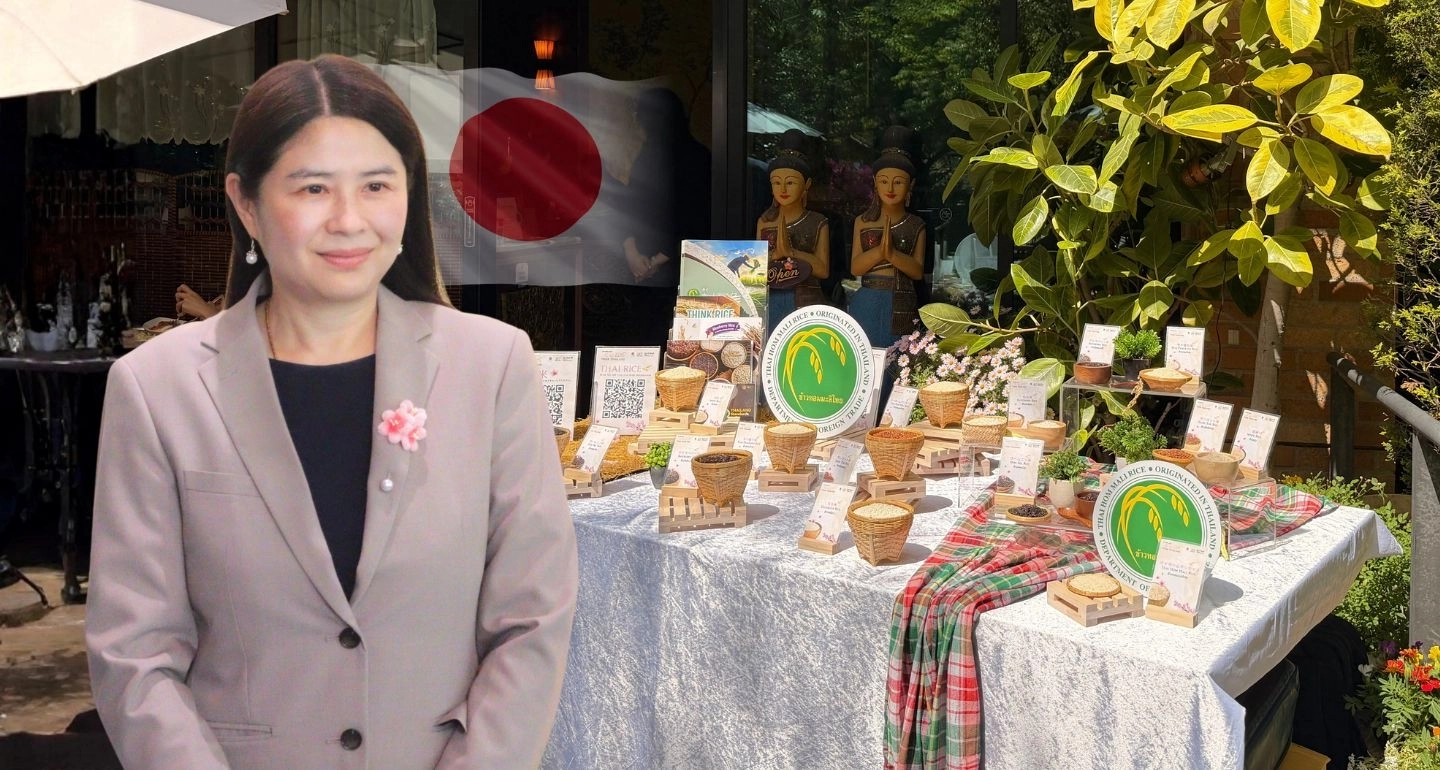
Mrs. Arada Fuangtong, Director-General of the Department of Foreign Trade, revealed that the Department has been closely monitoring Thai rice exports to Japan. It is found that nowadays Japan has increasingly imported Thai rice for household consumption and restaurant use (table use), as Thai cuisine has become widely popular in Japan. This has led to a rapid increase in the number of Thai restaurants.
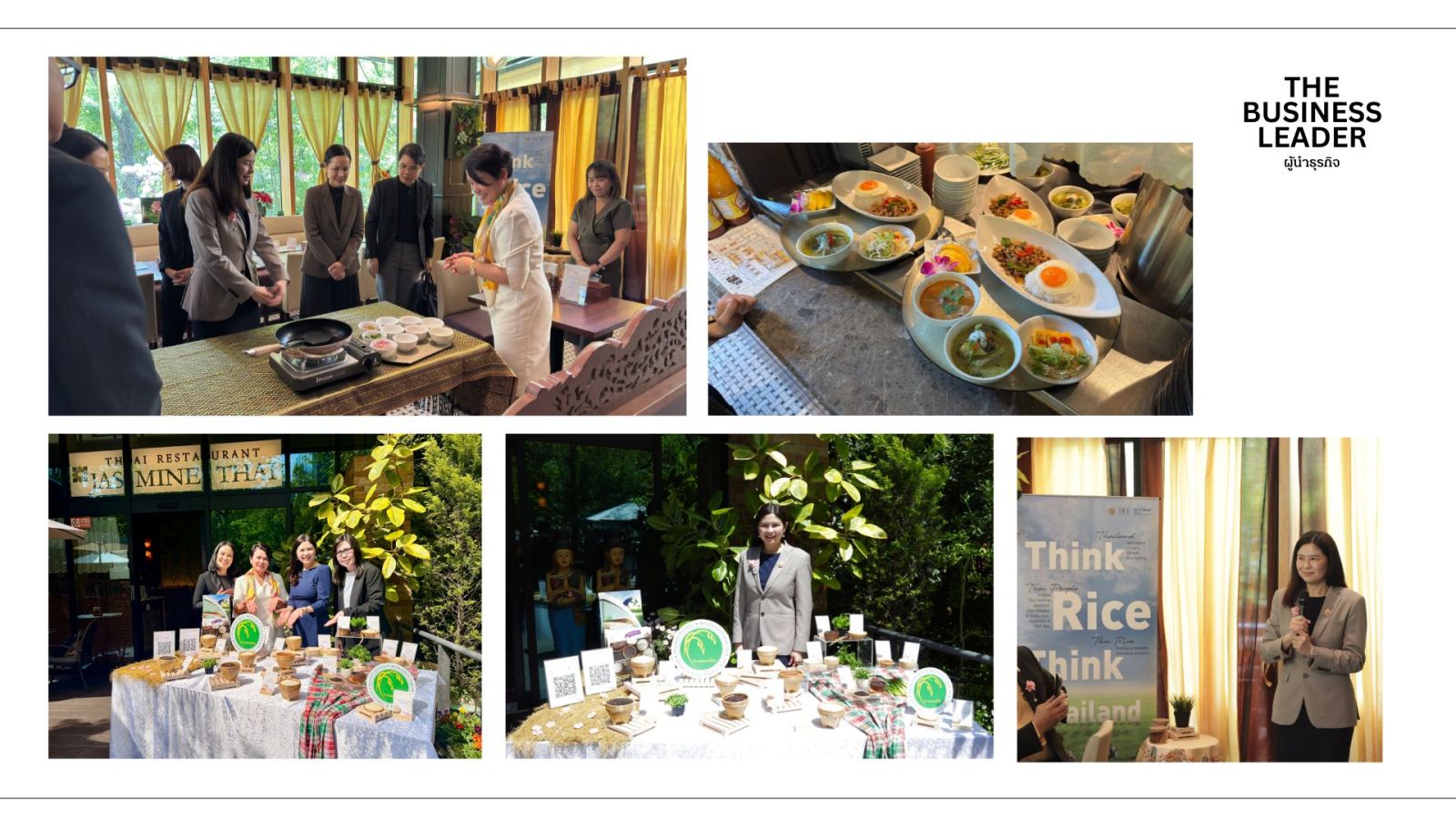
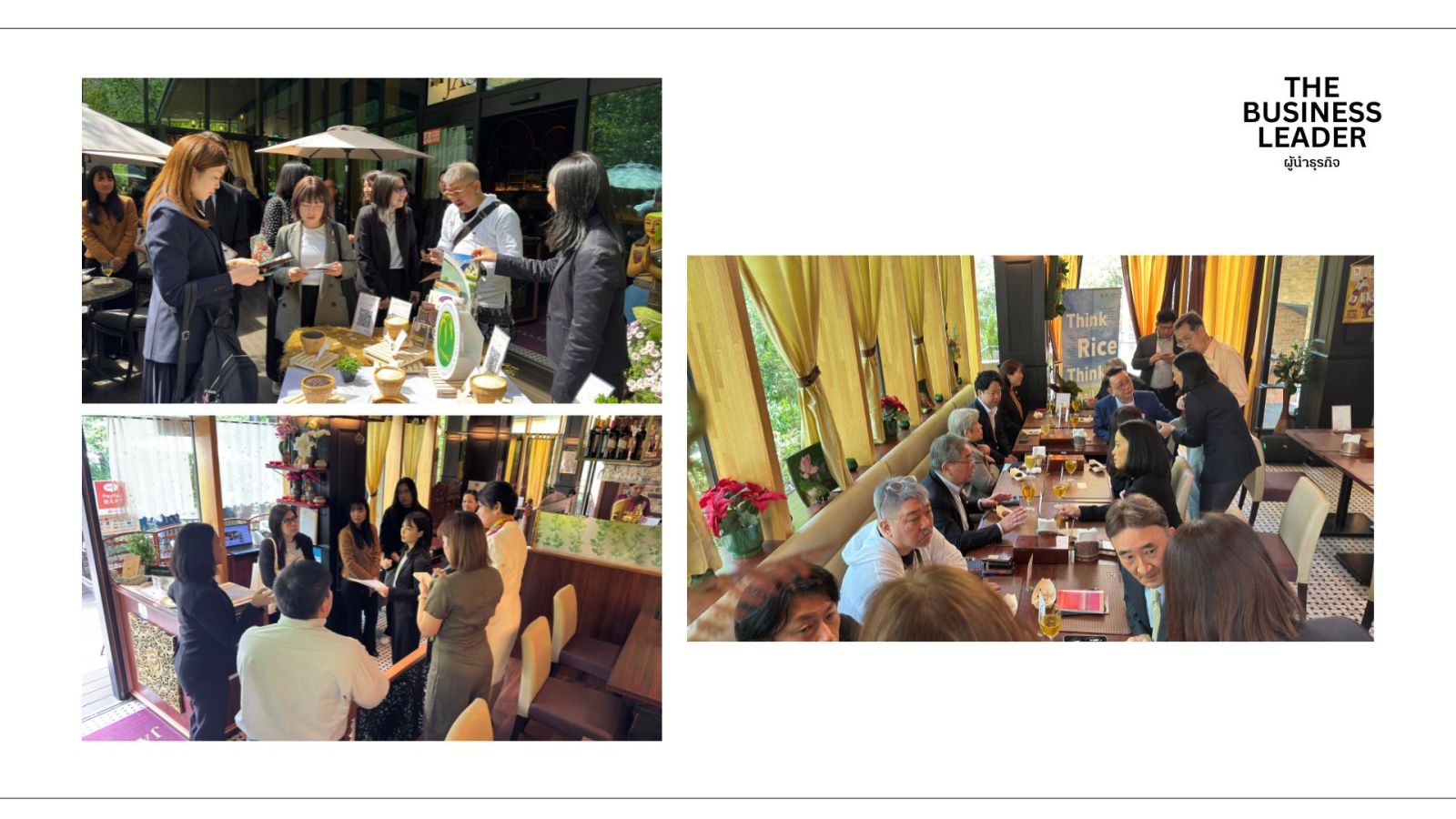
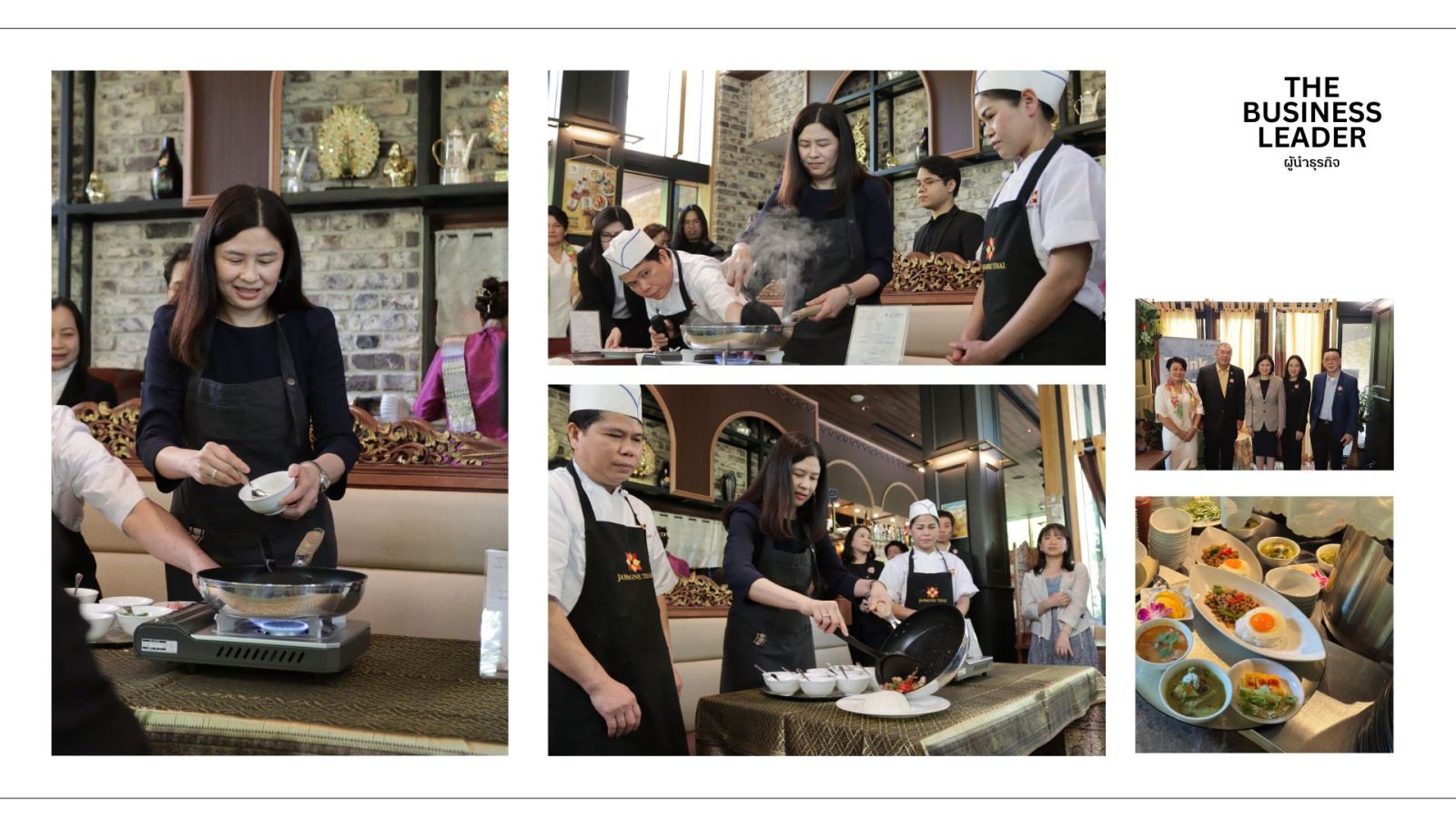
To further stimulate the consumption of Thai rice, particularly premium varieties, the DFT organized a promotional activity on April 19, 2026, in collaboration with the Thai Trade Office in Tokyo and the Thai Rice Exporters Association. The activity was held at Jasmin Thai Terrace restaurant in Tokyo, with more than 40 participants, including rice importers, business operators, and media representatives.
Various types of Thai rice were showcased, including Thai Hom Mali rice, Thai fragrant rice, white rice, glutinous rice, Riceberry rice, Sangyod rice, and Hom Nin rice, highlighting the diversity and internationally recognized quality and standards of Thai rice. The event also emphasized the Thai Hom Mali Rice Certification Mark to strengthen brand recognition.
Promotional materials, such as brochures and leaflets, were distributed to provide information on Thai rice standards, certification mark, and rice varieties. Souvenirs featuring the Department’s logo and the Thai Hom Mali Rice Certification Mark were also given to participants to enhance awareness and recall.
Participants were invited to taste premium Thai rice varieties, including Riceberry and Sangyod, known for their distinctive aroma, flavor, and nutritional value. In addition, a live cooking demonstration by a professional chef featured popular Thai dishes in Japan, such as stir-fried basil minced pork (Pad Krapao). Attendees also enjoyed Thai Hom Mali rice served with popular Thai dishes, including Thai omelet, Pad Krapao, green curry, Tom Yum Goong, and mango sticky rice for dessert. Participants expressed great appreciation for Thai rice, noting its softness, fragrance, and excellent taste.
The DFT’s Director-General added that Japan is one of the key markets for Thai rice. Thailand exports approximately 260,000–340,000 tons of rice to Japan annually, out of Japan’s total rice imports of around 660,000–700,000 tons per year, accounting for about 43% of the total imports. The main exported varieties of Thai rice to Japan include white rice, glutinous rice, and Thai Hom Mali rice.
This promotional activity is expected to help maintain Thailand’s rice market share in Japan and strengthen brand recognition in line with the “Think Rice Think Thailand” concept.